Modern dentistry has evolved significantly in recent years, transforming into an integrative discipline that combines advanced technology, patient comfort, and clinical excellence. This paradigm of comprehensive dental care, exemplified by clinics like Quiroga Dental, represents a holistic approach that considers not only oral health but also overall well-being and facial aesthetics. Understanding the elements that define excellent dental practices has become essential for patients seeking superior quality treatments in sophisticated and welcoming environments.
The Evolution of Integrative Dental Medicine
Integrative dentistry represents a fundamental shift in how practitioners approach oral care. This philosophy acknowledges that oral health is intrinsically linked to the patient's overall physical and emotional well-being.
Fundamental Principles of Modern Practice
Contemporary clinics are based on essential pillars that guarantee superior results:
- Personalised approach adapted to the individual needs of each patient
- Cutting-edge technology for accurate diagnoses and effective treatments
- Cosy atmosphere which minimises the anxiety associated with dental procedures
- Patient education On oral health prevention and maintenance
- Multidisciplinary coordination between different specialities
A Digital radiology offered by Quiroga Dental Advanced technology significantly enhances diagnostic accuracy while reducing radiation exposure. For instance, digital mammography, compared to traditional film, offers improved image quality, allowing for earlier detection of breast cancer. This digital format also employs lower radiation doses. In CT scanning, iterative reconstruction techniques allow for a substantial reduction in radiation dose without compromising image clarity. Furthermore, MRI, which uses magnetic fields and radio waves instead of X-rays, provides highly detailed images of soft tissues, offering excellent diagnostic capabilities without any radiation exposure.
Technologies That Transform Diagnosis
| Technology | Main Benefits | Clinical Applications |
|---|---|---|
| Digital Radiography | 90% reduction in radiation | Caries diagnosis, bone assessment |
| 3D Intraoral Scanner | Comfortable impressions | Orthodontics, prosthetics, planning |
| Computerised Tomography | Three-dimensional visualization | Implants, surgeries, complex analysis |
| Digital Photographs | Accurate documentation | Aesthetic planning, follow-up |
The implementation of these technologies completely transforms the patient experience, providing faster diagnoses and more predictable treatments.
Essential Specialities in Reference Clinics
A comprehensive dental clinic offers multiple integrated specialties, enabling coordinated treatments and superior results.
Orthodontics for All Ages
Modern orthodontics goes beyond the simple correction of misaligned teeth. Today, this specialty considers functional, aesthetic, and respiratory aspects of facial development.
Benefits of orthodontics at different life stages:
- Children (6-12 years)Intercepting growth problems, preventing future complications, guiding proper facial development
- Teenagers (13-18 years)Definitive correction of malocclusions, improvement of self-esteem, preparation for adulthood
- Adults (19+ years)Aesthetic correction, preparation for prosthetic rehabilitation, improvement of masticatory function
Childhood orthodontics deserves special attention, as it takes advantage of growth potential to achieve more stable and harmonious results.
Aesthetic and Restorative Dentistry
This speciality combines science and art to create natural and long-lasting smiles. Contemporary materials allow for practically invisible restorations that preserve healthy tooth structure.
Main procedures:
- Composite resin restorations with layered techniques
- Ultra-thin ceramic veneers for aesthetic transformations
- All-ceramic metal-free crowns
- Complex reconstructions following trauma
- Closure of diastemas with conservative materials
O Teeth whitening offered by Quiroga Dental represents one of the most sought-after aesthetic treatments, providing visible and safe results when performed professionally.
Dental Implants and Oral Rehabilitation
Tooth loss affects not only aesthetics but also chewing function, phonetics, and self-confidence. Modern implantology offers predictable and long-lasting solutions.
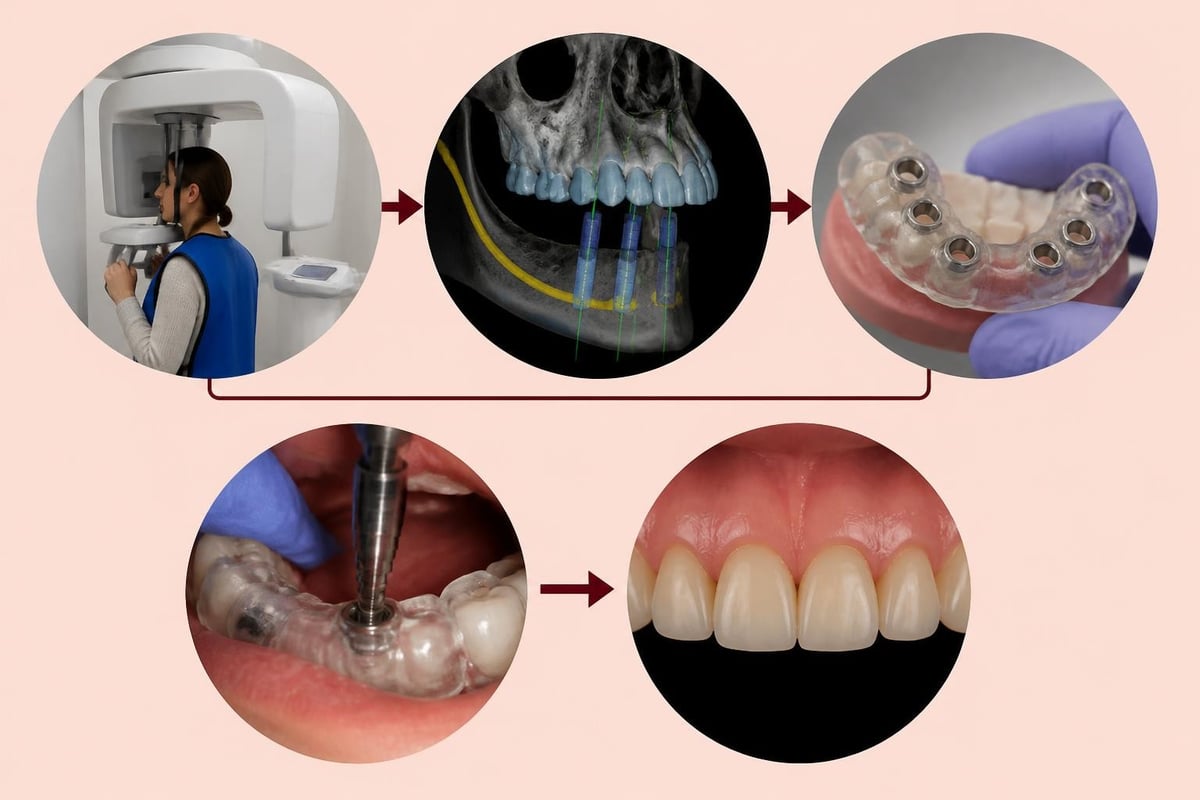
Digital Implant Planning
Success in implantology begins with meticulous planning. Digital tools have revolutionised this phase:
| Stage | Technology Used | Result |
|---|---|---|
| Diagnosis | CT scan | Three-dimensional bone assessment |
| Planning | Simulation software | Ideal virtual positioning |
| Execution | 3D printed surgical guides | Pinpoint accuracy in surgery |
| Prosthetic | Scanners and CAD/CAM | Custom and precise crowns |
This digital approach minimises risks, reduces surgical time, and significantly improves aesthetic and functional outcomes.
Immediate Loading Protocols
In selected cases, patients can receive provisional teeth on the same day as implant surgery. This protocol offers significant psychological and functional advantages, especially in aesthetic areas.
Requirements for immediate loading:
- Adequate bone quality (Type I or II)
- Superior primary stability of more than 35 Ncm
- Absence of active infections
- Controlled and protected occlusion
- Patient commitment to post-operative care
The Quiroga Dental clinic and other leading institutions rigorously assess each case to determine eligibility for these advanced protocols.
Paediatric and Preventive Orthodontics
Early orthodontic intervention can prevent complex problems and significantly reduce the need for invasive treatments in adolescence or adulthood.
Ideal Age for First Assessment
Experts recommend that all children have an orthodontic assessment at 6-7 years of age, when the first permanent molars erupt. This phase allows for the identification of:
- Skeletal growth problems requiring early intervention
- Harmful habits (finger sucking, mouth breathing, atypical swallowing)
- Premature loss of deciduous teeth which can affect development
- Crossbites that hinder mandibular growth
- Overbites that increase the risk of trauma
Not all children require immediate treatment, but the assessment establishes a baseline for monitoring development.
Common Interceptive Treatments
Functional orthodontic appliances:
- Palatal expanders to correct maxillary hypoplasia
- Mandibular advancement devices for retrognathism
- Facial masks for jaw defects
- Space maintainers following premature loss
These devices harness the growth potential to achieve skeletal changes that would be impossible after bone maturation.
Integrated Dental and Facial Aesthetics
Contemporary aesthetics goes beyond isolated teeth, considering the smile in the complete facial context. This holistic approach ensures harmonious and natural results.
Digital Smile Analysis
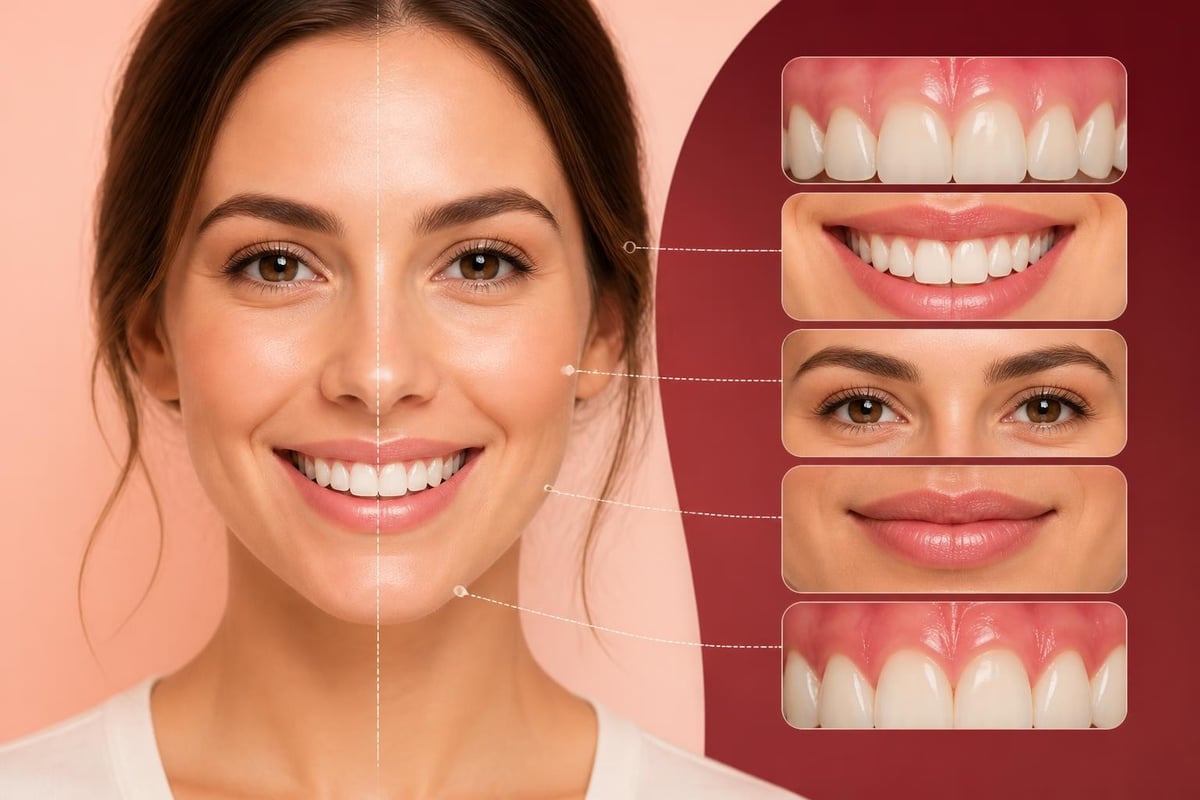
Before any aesthetic treatment, modern clinics carry out a detailed analysis that considers:
| Analysed Aspect | Assessed Parameters | Impact on the Result |
|---|---|---|
| Dental proportions | Aspect ratio | Naturalness of the result |
| Smile line | Gingival display | Harmony when smiling |
| buccal corridor | Visible side clearance | Smile amplitude |
| Midline | Facial symmetry | Aesthetic balance |
| Lip support | Protrusion of the incisors | Facial profile |
Digital smile design allows for precise simulations, facilitating communication between the professional and the patient regarding expectations and possible outcomes.
Minimally Invasive Protocols
Contemporary philosophy prioritises the preservation of healthy tooth structure. Modern techniques allow for significant aesthetic transformations with minimal preparation or even without any tooth reduction.
Conservative options include:
- Ultra-thin veneers (dental contact lenses) with 0.3-0.5mm thickness
- Direct adhesive restorations with nanohybrid composites
- Professional teeth whitening before restorative procedures
- Cosmetic enamel contouring (ameloplasty)
- Minimally invasive gum contouring for smile harmonization
A Quiroga Dental Care give examples of how modern clinics integrate these conservative philosophies with advanced technology for superior results.
Anxiety Management and Patient Comfort
Dental phobia affects approximately 15–20% of the population, preventing many from seeking the treatment they need. Modern dental practices implement comprehensive strategies to minimise this barrier.
Therapeutic Environment and Design
The physical space significantly influences the patient's perception and anxiety:
- Minimalist design that conveys calmness and sophistication
- Natural lighting wherever possible, supplemented by indirect light
- Neutral and relaxing colours that reduce excessive stimulation
- Background music selected to promote relaxation
- Subtle aromatherapy with calming essences
These elements, combined in spaces such as those available on Avenida da Liberdade in Lisbon, create experiences significantly different from traditional clinics.
Conscious Sedation Techniques
For patients with severe anxiety or long procedures, conscious sedation offers additional comfort while maintaining patient cooperation.
Available modalities:
- Inhalation sedation (nitrous oxide)Quick start and reversal, precise control
- Oral sedation (benzodiazepines)Convenient, reduces procedure memory
- Intravenous sedationPrecise control, adjustable depth
- General anaestheticReserved for specific cases in a hospital environment
The choice of modality depends on the level of anxiety, complexity of the procedure and the patient's medical conditions.
Long-Term Maintenance and Prevention
The enduring success of dental treatments fundamentally depends on continuous preventive care. Centres of excellence establish personalised maintenance programmes.
Periodontal Hygiene Protocols
Periodontal disease affects more than 50% of adults over the age of 30 to some degree. Effective preventive programmes include:
Essential components:
- Complete annual periodontal assessment
- Professional cleanings every 3-6 months according to individual risk
- Custom instruction on tooth-brushing and flossing techniques
- Recommendation of specific aids (interdental brushes, irrigators)
- Monitoring of periodontal pockets and tooth mobility
Orthodontic patients and implant wearers require intensified protocols due to the specific risks of these situations.
Technology in Preventive Monitoring
Modern digital tools allow precise longitudinal monitoring:
| Technology | Preventative Application | Main Benefit |
|---|---|---|
| Standardised photographs | Aesthetic comparison over time | Early detection of changes |
| Serial digital radiographs | Monitoring of incipient caries | Intervention before cavitation |
| Automated periodontal probing | Objective depth log | Progression identification |
| AI image analysis | Screening of suspicious lesions | Automated second opinion |
A research on search tools in dental radiographs demonstrates how artificial intelligence is transforming preventive diagnosis, enabling earlier identification of issues.
Integration of Specialties for Complex Cases
Full rehabilitation cases frequently require coordination between multiple specialisms. The integrated approach guarantees superior and more predictable outcomes.
Multidisciplinary Backward Design
In complex rehabilitations, planning begins with the desired aesthetic outcome and works backwards:
- digital diagnostic wax-up establishes the final aesthetic goal
- Orthodontic analysis determine necessary movements for optimal positioning
- Periodontal assessment identify needs for gingival correction
- Prosthetic planning type and extent of the restorations
- Temporal coordination sets out the sequence and schedule of treatments
This methodology, similar to the 3D dental morphology models used in advanced search, allowing full visualisation of the result before initiating any irreversible procedure.
Treatment Sequencing
The correct order of procedures is crucial for efficiency and results:
Typical sequence in full rehabilitation:
- Emergency phase (pain and infection control)
- Basic periodontal treatment and hygiene instruction
- Orthodontic movement when indicated
- Periodontal and bone grafting surgeries if necessary
- Placement of implants after the healing period
- Provisional restorations for functional and aesthetic testing
- Definitive restorations after provisional approval
Each phase builds the foundation for the subsequent one, ensuring stability and longevity.
Criteria for Choosing a Dental Practice
Selecting the appropriate practitioner and clinic directly influences the quality of treatment and patient satisfaction. Several factors merit careful consideration.
Qualifications and Continuing Education
Things to check:
- Academic background of professionals and recognised specialisations
- Regular attendance at congresses and refresher courses
- Scientific publications or contributions to the field
- Membership of national and international professional societies
- Certifications in specific techniques and advanced technologies
Professionals committed to excellence continuously invest in education to offer treatments based on up-to-date scientific evidence.
Infrastructure and Biosecurity
The quality of the facilities reflects the clinic's commitment to safety and results:
- Sterilisation equipment validated and monitored regularly
- Biosecurity protocols rigorous and documented
- Diagnostic technology updated and calibrated
- Quality materials from internationally recognised manufacturers
- Physical environment compliant with health and accessibility standards
Visiting the facilities before starting treatment allows you to assess these fundamental aspects in person.
Transparency and Communication
The professional-patient relationship is based on mutual trust and clear communication:
- Detailed treatment plan with options, deadlines and costs
- Clear explanation of diagnoses and procedures
- Informed consent suitable for all procedures
- Availability for the clarification of queries
- Full documentation with records and test results
Ethical clinics prioritise patient autonomy, providing necessary information for informed decisions about their own health.
Future Trends in Dentistry
Technological and scientific evolution continues to transform dental practice, promising increasingly precise, comfortable and predictable treatments.
Artificial Intelligence and Diagnosis
Deep learning algorithms are being trained to:
- Detect tooth decay at early stages with greater precision than the human eye
- Identify risk patterns for periodontal disease
- Predict orthodontic treatment outcomes
- Personalise plans based on thousands of similar cases
- Automate cephalometric and facial growth analyses
This technology does not replace clinical judgement, but provides powerful tools for more informed decisions.
Bioengineering and Tissue Regeneration
Promising research focuses on oral tissue regeneration:
Areas of active development:
- Bioactive scaffolds for guided bone regeneration
- Growth factors for accelerated healing
- Stem cells for pulp and periodontal regeneration
- Biocompatible materials that stimulate a regenerative response
- Gene therapies for hereditary conditions
Although many of these technologies are still in the experimental phase, some are already beginning to be integrated into clinical protocols in advanced centres.
3D Printing and Personalisation
Additive manufacturing is revolutionising multiple aspects of dentistry:
| Application | Benefits | Current Status |
|---|---|---|
| Diagnostic models | Precision, reduced cost | Widely adopted |
| Surgical guides | Precision in implants | Standard in advanced clinics |
| Temporary dentures | Speed, personalisation | Growing adoption |
| Braces | Comfort, aesthetics | Specialist companies |
| Tissue bioprinting | Personalised regeneration | Experimental research |
The democratisation of this technology will make personalised treatments more accessible in the coming years.
Modern dentistry integrates advanced technology, professional specialisation and a humanised approach to provide patients with transformative experiences. These principles, which define centres of excellence such as Quiroga Dental, set new standards in quality and comfort. If you are looking for dental care that combines sophistication, cutting-edge technology and a welcoming environment in the heart of Lisbon, Dr Susana Santos offers personalised integrative dentistry on the prestigious Avenida da Liberdade, providing orthodontic, aesthetic and oral health treatments with a special focus on children, in a minimalist space that prioritises your well-being and comfort.