Oral health is a continuous investment that requires dedication, knowledge and appropriate professional monitoring. Preventive dentistry represents the most effective approach to maintaining healthy teeth and gums throughout life, avoiding complex problems that can affect not only the mouth, but the body's general health. This field of dentistry focuses on proactive measures that significantly reduce the incidence of tooth decay, periodontal diseases and other oral conditions. Through a combination of regular professional care and consistent home hygiene practices, it is possible to preserve one's natural smile and avoid invasive and costly treatments in the future.
What Preventive Dentistry Is and Why It Is Essential
Preventive dentistry encompasses all practices, procedures and education designed to maintain oral health and prevent diseases before they develop. Unlike restorative dentistry, which treats existing problems, the preventive approach focuses on stopping these problems from arising in the first place.
This philosophy of care is based on three fundamental pillars:
- Regular check-ups and early diagnosis to identify problems at an early stage
- Professional cleaning services that remove dental plaque and tartar inaccessible to home brushing
- Patient education on proper hygiene techniques and healthy habits
The benefits of this approach go far beyond aesthetics. Preventative dentistry demonstrate that early interventions can prevent cardiovascular problems, diabetes and other systemic conditions related to untreated oral infections.
Impact on General Health and Wellbeing
The mouth acts as a gateway to the body. Bacteria and oral inflammations can spread through the bloodstream, affecting vital organs. Recent studies establish direct connections between periodontal diseases and cardiovascular complications, premature births, and glycaemic control in diabetics.
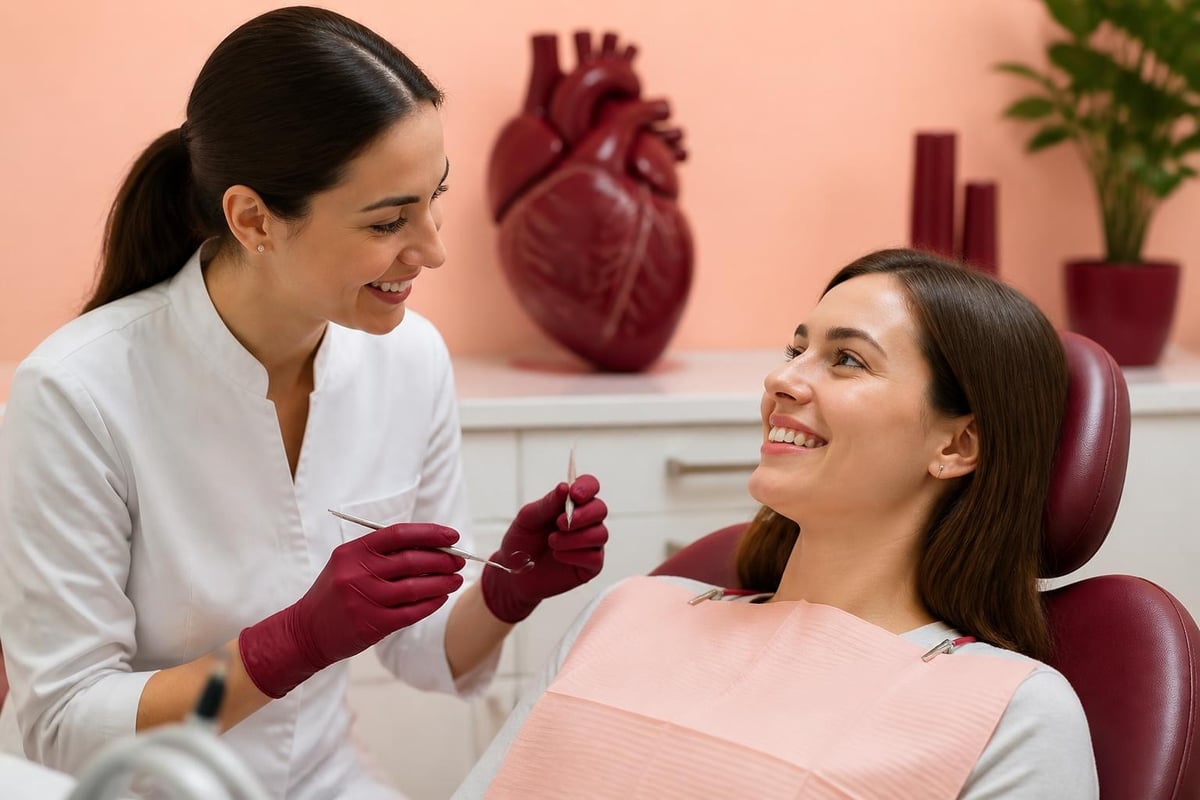
Investing in preventive dentistry means protecting not just the smile, but the entire body. Prevention reduces chronic inflammation that can compromise the immune system and contribute to long-term degenerative diseases.
Essential Components of Preventive Dentistry
Routine Check-ups and Professional Assessments
Regular appointments form the basis of any effective preventative programme. Qualified professionals carry out detailed visual examinations, assess soft tissues, check for signs of tooth wear and identify areas of concern.
Recommended frequency:
- Adults without special conditions: check-ups every six months
- Children and teenagers: quarterly or bi-annual assessments as needed
- Patients with a history of periodontal disease: appointments every three to four months
- Individuals with systemic conditions: personalised schedule as advised by a doctor
During these check-ups, regular X-rays enable the diagnosis of problems not visible to the naked eye, such as interproximal caries, root infections or early-stage bone loss.
Professional Dental Cleans
Even with daily brushing and flossing, tartar build-up occurs that can only be removed using professional instruments. Professional cleanings remove mineralised bacterial biofilm, polishing the tooth surfaces and drastically reducing the risk of tooth decay and gingivitis.
| Type of Cleaning | Referral | Typical Frequency | Main Benefits |
|---|---|---|---|
| Basic Prevention | Healthy patients | 6 months | Removal of plaque and superficial tartar |
| Root planing and scaling | Periodontal disease | 3-4 months | Treatment of deep periodontal pockets |
| Periodontal maintenance | Post-periodontal treatment | 3-4 months | Prevention of disease recurrence |
These procedures not only clean, but also provide an opportunity for personalised education. The importance of early diagnoses cannot be underestimated, particularly when it comes to detecting conditions that progress silently.
Fluoride and Sealant Application
Fluorides They strengthen tooth enamel through a process known as remineralisation. Professional treatments contain higher concentrations than those found in toothpastes, offering additional protection against demineralisation caused by bacterial acids.
Bones dental sealants They act as physical barriers applied to the chewing surfaces of the molars. These resins protect deep fissures and grooves where bacteria easily accumulate, reducing the risk of tooth decay by up to 80% when properly maintained.
Children particularly benefit from these preventive treatments, but adults with tooth surfaces prone to decay should also consider these options.
Preventative Dentistry Across Different Age Groups
Childhood Preventive Healthcare
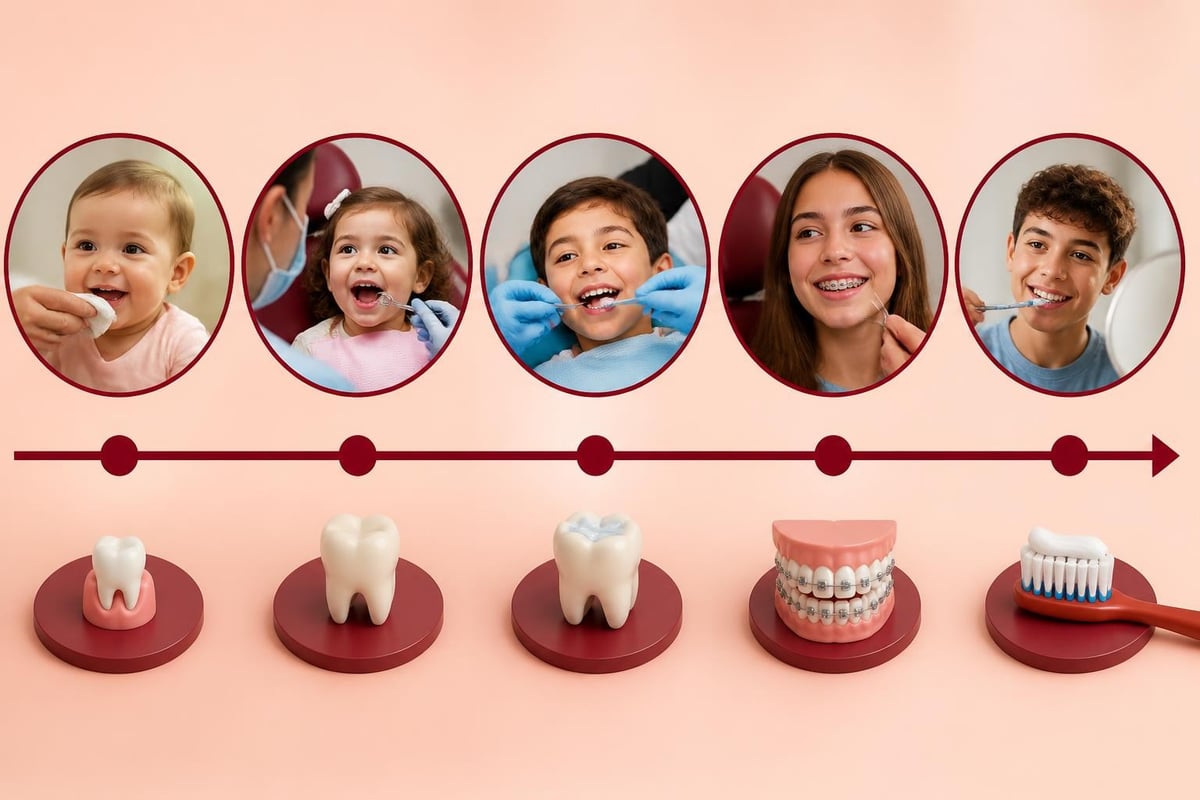
Prevention begins even before the eruption of the first tooth. Babies should have their gums cleaned after each feed, and the first dental appointment should take place when the first tooth appears or by the age of one.
Important developmental milestones in childhood:
- Gum cleaning from birth
- First consultation up to 12 months
- Supervised tooth brushing with fluoridated toothpaste (age-appropriate amount)
- Application of sealants to permanent molars (at approximately 6 and 12 years of age)
- Preventative orthodontic assessment between 7 and 9 years of age
Annual hygiene and cleaning techniques are especially critical during childhood, when healthy habits are established and determine future oral health. Children who receive appropriate preventive care develop fewer cavities and require fewer restorative treatments throughout their lives.
Adult Prevention and Orthodontics
Adults face specific preventive challenges, including a higher risk of periodontal disease, tooth wear, and conditions related to habits such as bruxism. Preventive and interceptive orthodontics can correct alignment problems before they cause uneven wear, cleaning difficulties, or temporomandibular joint issues.
Modern orthodontic treatments go beyond aesthetics. Correctly aligned teeth make cleaning easier, distribute chewing forces evenly, and reduce areas of bacterial accumulation. This integrative approach to preventive dentistry recognises that proper alignment contributes significantly to long-term oral health.
Preventative Healthcare in Later Life
Older patients require special attention to conditions such as xerostomia (dry mouth), gingival recession, and increased susceptibility to root caries. Medications common in this age group frequently reduce salivary production, compromising the natural ability to neutralise acids and remineralise teeth.
Specific preventive strategies include:
- Artificial saliva supplementation when necessary
- High-concentration fluorides to protect exposed roots
- Careful monitoring of prostheses and their maintenance
- Dietary adjustments to minimise caries risks
Home Oral Hygiene Practices
Effective Brushing Techniques
Proper brushing removes dental plaque before it mineralises into tartar. Using a soft-bristled toothbrush at a 45-degree angle to the gums, performing gentle circular motions, ensures effective cleaning without traumatising tissues.
Fundamental elements:
- Brushing for at least two minutes, twice a day
- Replace toothbrush every three months or when bristles become deformed
- Use of fluoride toothpaste in an age-appropriate concentration
- Tongue cleaning to remove halitosis-causing bacteria
Electric toothbrushes with timers and pressure sensors can significantly improve brushing effectiveness, especially for children and people with reduced mobility.
Use of Dental Floss and Interdental Brushes
Approximately 40% of the tooth surfaces are located between the teeth, where they cannot be reached by a toothbrush. Preventative dental care Daily flossing is irreplaceable for removing interdental plaque and preventing proximal caries and gingivitis.
| Tool | Best Use | Advantages | Considerations |
|---|---|---|---|
| Traditional Dental Floss | Normal interdental spaces | Precise, economical control | Requires proper technique |
| Dental floss pick | Ease of use, afterwards | Convenience, ideal for children | Less control than traditional dental floss |
| Interdental brushes | Widened spaces, reconstructions | Effective in larger spaces | Size must be suitable |
| Oral irrigator | Braces | Remove loose debris | It does not replace dental floss |
The correct technique involves inserting the floss gently between the teeth, curving it into a "C" shape around each tooth and sliding it below the gum line without forcing it.
Mouthwashes and Complementary Products
Mouthwashes complement, but do not replace, brushing and flossing. Fluoride products offer additional protection against cavities, while antibacterial mouthwashes can help in controlling gingivitis and halitosis.
It is essential to select products suited to individual needs. Alcohol-based mouthwashes can cause excessive oral dryness in some patients, while specific formulations for tooth sensitivity contain desensitising ingredients.
Nutrition and Preventive Dentistry
Foods that Protect Teeth
Diet profoundly influences oral health. Foods rich in calcium and phosphorus strengthen enamel, while fibrous options stimulate saliva production and exert a self-cleansing effect.
Protective foods:
- Dairy products: calcium, phosphorus and casein which reduce acidity
- Crunchy vegetables: carrot, celery, which stimulate saliva
- Fruit rich in vitamin C: strengthens gums
- Green tea: contains polyphenols with antibacterial properties
- Fluoridated water: continuous hydration and protection

Substances that Compromise Oral Health
Sugars and fermentable carbohydrates feed acid-producing bacteria that demineralise enamel. The frequency of consumption matters more than the total quantity. Repeated exposures to sugar throughout the day keep the oral pH low, preventing natural remineralisation.
Dietary risk factors:
- Sugary drinks consumed frequently
- Sticky foods that cling to the teeth
- Acidic drinks (fizzy drinks, citrus juices) that erode enamel
- Frequent snacking between main meals
Procedures such as fluoride treatments and oral cleansings become even more critical when dietary factors increase the risk of tooth decay.
Three Levels of Prevention in Dentistry
Primary prevention
This level aims to completely prevent the development of oral diseases through education, fluoridation, sealants and the promotion of healthy habits. Public health campaigns, school programmes and individual guidance constitute primary strategies.
Primary prevention is more cost-effective and efficient, establishing foundations for lasting oral health. Investing in this level significantly reduces the need for future interventions.
Secondary Prevention
When diseases begin to develop, early detection enables minimally invasive interventions. Radiographs that identify incipient caries, periodontal probing that reveals early bone loss and biopsies of suspicious lesions exemplify secondary prevention.
The three levels of prevention they work synergistically, but the secondary one assumes particular importance when risk factors have not been adequately controlled at the primary level.
Tertiary prevention
This level focuses on restoring function and preventing further complications following established diseases. Root canal treatments that preserve compromised teeth, periodontal surgeries that stabilise tissues and prosthetic rehabilitations that restore mastication represent tertiary prevention.
Even at this stage, the preventative philosophy persists: avoiding extractions when possible, maintaining natural structures and preventing further deterioration through rigorous maintenance.
Technology and Innovation in Preventive Dentistry
Digital Diagnosis and Advanced Imaging
Modern technologies are revolutionising our ability to detect problems at an early stage. Digital X-rays reduce radiation exposure by up to 90% compared with conventional film, whilst intraoral cameras allow for magnified viewing of suspicious areas.
Laser fluorescence systems detect caries in early stages, before they are visible radiographically, enabling conservative treatments. Three-dimensional scanners create precise digital models for orthodontic planning and the assessment of dental wear over time.
Next-Generation Preventive Materials
Prolonged-release fluoride sealants provide continuous protection. Silver diamine fluoride varnishes arrest caries progression without the need for tooth tissue removal, making them particularly valuable in very young children or patients with special needs.
Remineralising pastes containing casein phosphopeptide-amorphous calcium phosphate (CPP-ACP) promote the repair of early lesions, reversing demineralisation before cavities form.
Preventive Dentistry in an Integrative Clinical Environment
Patient-Centred Approach
Modern clinics recognise that each patient presents unique needs, risks and preferences. The importance of preventive dentistry manifests in personalised plans that consider medical history, lifestyle habits, genetic factors and individual goals.
Comfortable and welcoming environments reduce dental anxiety, increasing adherence to regular appointments. Serene spaces with minimalist design create an atmosphere conducive to open communication between practitioner and patient, which is essential for effective education.
Integration of Specialities
Preventive dentistry benefits from collaboration between different specialties. Orthodontists work with periodontists to ensure that tooth movements do not compromise gum health. Paediatric dentistry specialists coordinate with general dental practitioners for smooth transitions when children become teenagers.
This holistic approach recognises interconnections between aesthetics, function and health, offering truly comprehensive care that goes beyond isolated treatments.
Barriers to Preventive Dentistry and How to Overcome Them
Dental Anxiety and Phobia
Many adults avoid appointments due to past negative experiences. Anxiety management techniques include transparent communication, conscious sedation when appropriate, and scheduling that respects the patient's pace.
Creating positive experiences from childhood establishes healthy associations with dental care, reducing lifelong anxiety.
Cost Perception
Although preventive dentistry requires continuous investment, the costs are significantly lower than complex restorative treatments. A simple filling costs less than a root canal, which in turn is more affordable than an implant.
Educating patients on this economic equation increases the appreciation of prevention. Preventive maintenance plans offer financial predictability and protect against unexpected expenses.
Lack of Access and Knowledge
Community programmes, partnerships with schools and awareness campaigns expand access to preventive information. Professionals committed to public education contribute to societies with better overall oral health.
Role of Ongoing Patient Education
Home Monitoring Tools
Mobile apps that log brushing habits, flossing reminders and photographic progress logs empower patients to take responsibility for their oral health. Plaque disclosing agents allow the visualisation of inadequately cleaned areas, making oral hygiene more tangible.
Professional-Patient Communication
Clear explanations of clinical findings, practical demonstrations of techniques and visual educational materials turn consultations into learning opportunities. Informed patients make more conscious decisions and better adhere to preventive recommendations.
Transparency regarding procedures, realistic expectations and involvement in therapeutic decisions establish collaborative partnerships essential for long-term preventive success.
Future of Preventive Dentistry
Personalised Medicine and Genetics
Genetic testing is beginning to identify individual susceptibilities to caries, periodontal diseases and inflammatory responses. This information enables ultra-personalised preventive strategies, concentrating resources where each patient needs them most.
Artificial Intelligence and Predictive Analytics
Artificial intelligence systems analyse X-rays with increasing precision, identifying subtle abnormalities that may escape the human eye. Predictive algorithms assess individual risk based on multiple factors, guiding consultation frequency and the intensity of preventive interventions.
Biomaterials and Regenerative Therapies
Research explores materials that stimulate the natural regeneration of enamel and dentine. Biomimetic peptides and cell therapies could, in future, enable the biological repair of damaged dental structures, expanding the frontiers of prevention beyond current limits.
The consistent implementation of preventive dentistry radically transforms oral health, drastically reducing the need for complex treatments while preserving natural structures and promoting overall well-being. At the clinic Dr Susana Santos, located on the prestigious Avenida da Liberdade in Lisbon, we offer an integrative approach that combines advanced technology, a serene environment and personalised care for every stage of life. Specialising in orthodontics and paediatric dentistry, Dr Susana Santos develops preventive programmes tailored to the specific needs of children and adults, ensuring healthy and confident smiles through dentistry focused on comfort, aesthetics and lasting results.