Maintaining a healthy smile goes far beyond aesthetics. The concept of healthy dental care encompasses an integrated approach that combines prevention, specialised treatments, and consistent daily habits. For modern families who value overall well-being, understanding the fundamentals of oral health becomes essential, especially when it comes to children's dental development. This guide explores professional best practices to ensure every family member maintains teeth and gums in perfect condition throughout their lives.
Fundamentals of Healthy Dentistry in Childhood
The development of a healthy smile begins much earlier than most parents imagine. Children's oral health should be prioritised from the earliest months of life, establishing solid foundations for the future.
Care from Birth
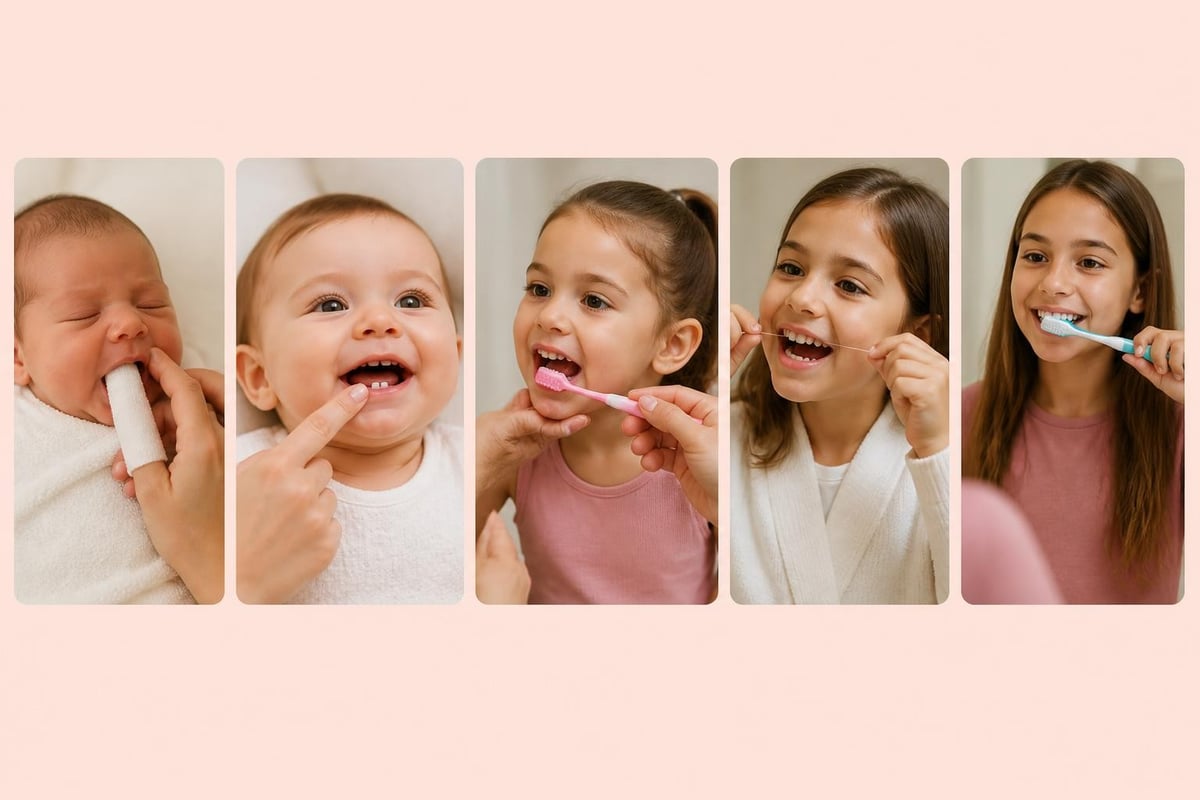
Even before the first tooth erupts, oral hygiene should already be part of the baby's routine. Parents should gently clean the gums with a damp gauze pad after feedings, removing milk residue that can encourage bacterial growth.
When to start brushing
- First tooth: start immediately with a soft-bristled brush
- Up to 2 years: brushing done by parents twice a day
- 2-6 years: constant supervision during brushing
- After 6 years: gradual support towards full independence
The amount of toothpaste also deserves special attention. For babies, only a small amount equivalent to a grain of rice is used. After 3 years of age, the amount increases to the size of a pea, always with toothpaste containing fluoride suitable for the age.
| Age | Brushing frequency | Brush Type | Amount of Paste |
|---|---|---|---|
| 0-6 months | Cleaning with gauze | Gauze or finger cot | Not applicable |
| 6–24 months | Twice a day | Extra-soft bristles | Grain of rice |
| 2-6 years | 2-3 times a day | Soft bristles for children | The size of a pea |
| 6+ years | 2-3 times a day | Soft brains | The size of a pea |
Preventive Orthodontics and the ‘Healthy Dental’ Concept
Modern orthodontics does not wait for serious problems to arise before taking action. The ‘healthy dental’ philosophy, as applied to paediatric orthodontics, prioritises prevention and early intervention, thereby avoiding more complex treatments in the future.
Initial Orthodontic Assessment
The first consultation with an orthodontist should take place around 6-7 years of age. At this stage, the first permanent molars have already erupted and the specialist can identify bone growth patterns and dental development.
Signs that require orthodontic assessment:
- Early or late loss of primary teeth
- Difficulty chewing or biting
- Frequent mouth breathing
- Sucking habits after the age of 3
- Crowded or unevenly spaced teeth
- Crossbite or jaw misalignment
Benefits of Early Intervention
When orthodontic problems are identified early, treatment can take advantage of the child’s natural growth. Interceptive appliances can guide bone development, create space for permanent teeth and correct harmful habits before they cause permanent damage.
The healthy dental approach in paediatric orthodontics is not limited to aesthetic alignment. It considers chewing functionality, adequate breathing, clear phonation, and the harmonious development of the face.
Diet and Its Impact on Dental Health
Nutrition plays a crucial role in maintaining oral health. A a healthy diet combined with controlling sugar intake represents a fundamental pillar of healthy dental care.
Tooth-Friendly Foods
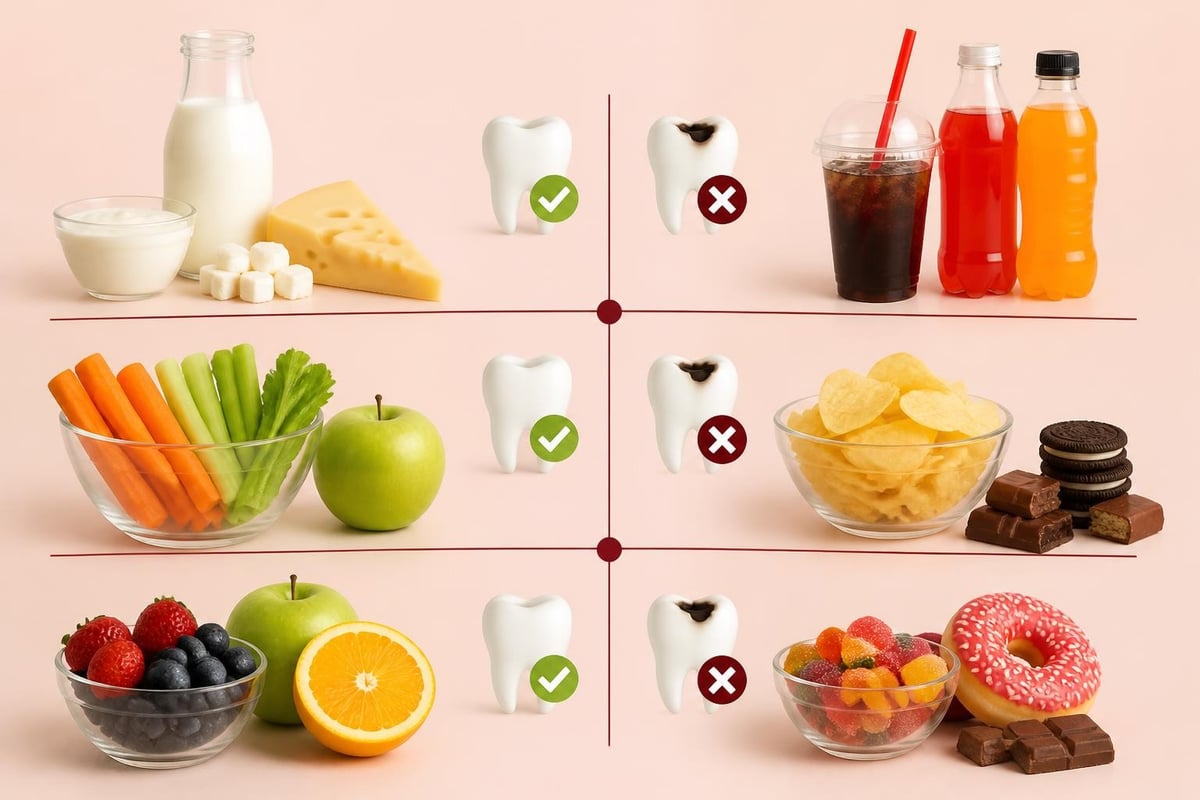
Certain foods strengthen tooth enamel and stimulate saliva production, which naturally protects against harmful bacteria.
Beneficial nutritional categories
- Dairy productsMilk, cheese, and plain yoghurt provide calcium and phosphates
- Crispy vegetables: carrots, celery and broccoli mechanically clean the teeth
- Fruits high in waterApple, pear and watermelon stimulate salivation
- Lean proteinsChicken, fish and eggs contain essential phosphorus
- Nuts and seedsAlmonds and sunflower seeds offer important minerals
Hidden Enemies of Oral Health
As well as the obvious sugars found in sweets and fizzy drinks, many processed foods contain added sugars that are harmful to dental health. Commercial fruit juices, "healthy" biscuits and breakfast cereals often contain surprising amounts of sugar.
| Food/Drink | Risk to Teeth | Recommended Frequency |
|---|---|---|
| Water | None | Unlimited |
| Natural dairy products | Low | Daily rate |
| Fresh fruit | Lower-Medium | Daily rate |
| Natural juices | Midfield | Limited |
| Soft drinks | High | Avoid |
| Sweets and sweets on a stick | Very High | Occasional |
Technology and Innovation at Healthy Dental
The year 2026 brought significant advances in dentistry, making treatments more comfortable, precise, and efficient. Integrative dentistry combines cutting-edge technology with a patient-centred approach.
Digital Tools for Diagnosis
3D imaging has revolutionised orthodontic planning. Digital intraoral scanners eliminate the need for traditional impressions, offering greater comfort, particularly for children. These three-dimensional images make it possible to simulate treatments before they even begin, showing parents and patients the expected results.
Artificial intelligence now assists in the early detection of cavities and other pathologies, analysing X-rays with accuracy superior to human capability in certain cases. This technology complements the professional's expertise, never replacing it.
Advanced Materials in Orthodontics
Modern orthodontic appliances use biocompatible materials that exert gentler, more constant forces. Ceramic brackets and clear aligners offer aesthetic options for teenagers who are concerned about their appearance during treatment.
Self-ligating brackets reduce friction and discomfort, whilst thermo-activated archwires automatically adjust to the temperature inside the mouth, providing more efficient and comfortable tooth movement.
Prevention: At the Heart of Healthy Dental
No technology can replace consistent prevention. The Proper oral hygiene is essential to keep your teeth and gums healthy throughout your life.
Complete Oral Hygiene Routine
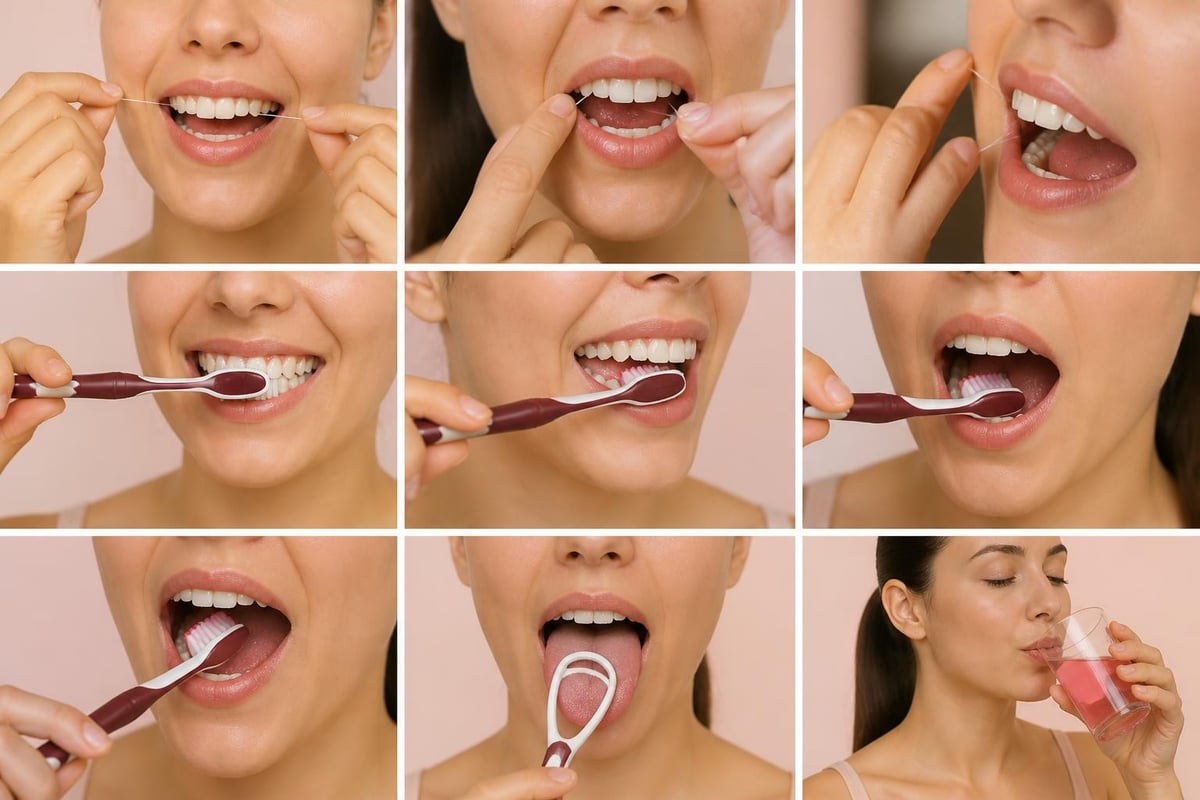
An effective oral hygiene routine involves several steps that work together to remove bacterial plaque and prevent oral diseases.
Ideal hygiene routine:
- Dental flossalways before brushing, removes debris between teeth
- Brushingtwo minutes with proper technique, all surfaces
- Tongue cleaningremoves bacteria and prevents bad breath
- Oral elixiroptional, complements but does not replace brushing
Correct Brushing Technique
Technique matters just as much as frequency. Gentle circular motions, keeping the toothbrush at a 45-degree angle to the gum, clean effectively without causing gum recession.
Many parents question when should children start brushing their teeth. The answer is simple: from the first tooth. Parental supervision should continue until the child demonstrates sufficient motor coordination, usually around 7-8 years of age.
Regular Check-ups: The Cornerstone of Healthy Dental
Preventative dentistry is based on regular check-ups that allow problems to be detected before they become serious. For children, these visits also have an educational function, familiarising them with the clinical environment and reducing future anxiety.
Recommended Frequency by Age
| Age group | Frequency of appointments | Main Focus |
|---|---|---|
| 0-3 years | Every 6 months | Prevention, parenting guidance |
| 3-6 years | Every 4-6 months | Prevention, fluoridation |
| 6-12 years | Every 4-6 months | Preventative orthodontics |
| Aged 12 and over | Every 6 months | Maintenance, specific treatments |
What to Expect at a Preventive Appointment
Routine check-ups at a clinic focused on healthy dental include a thorough clinical examination, professional cleaning, fluoride application when indicated, and personalised guidance. For growing children, the development of the occlusion and the need for orthodontic intervention are also assessed.
Periodic radiographs allow the visualisation of areas not visible during a clinical examination, identifying interproximal caries and monitoring the development of permanent teeth before eruption.
Common Challenges and Practical Solutions
Even with the best of intentions, families face obstacles in maintaining healthy dental care. Identifying these challenges and applying practical strategies makes all the difference.
Child Resistance to Toothbrushing
Many children resist the oral hygiene routine. Turning brushing into a playful activity significantly increases compliance.
Effective strategies:
- Using toothbrushes featuring favourite characters
- Create two-minute songs or stories
- Establish non-food reward system
- Brushing teeth together with the child, making it a family moment
- Allow the child to choose their toothpaste (from suitable options)
Management of Dental Phobia
Dental anxiety often originates from negative experiences or scary narratives. appropriate approach from the first few months prevents the development of this fear.
Regular preventive visits, starting early, make the clinical environment seem normal. Paediatric dental specialists use specific communication techniques, explaining procedures in age-appropriate language and allowing the child to explore non-invasive instruments.
Integrative Orthodontics for Children and Adolescents
Modern orthodontics recognises that every patient is unique. The integrative approach considers not only the position of the teeth, but the child's overall health, including breathing patterns, posture and facial development.
Types of Orthodontic Treatment
Different problems require specific solutions. Professional assessment determines the ideal timing and type of intervention.
Treatment options by age:
- Preventative phase (4-6 years)removable appliances for habit correction
- Interceptive phase (7-10 years)palatal expanders, functional appliances
- Corrective phase (11+ years)fixed braces, transparent aligners
- Containmentpost-treatment maintenance devices
Benefits Beyond Aesthetics
Although an aligned smile is visually appealing, the benefits of orthodontic treatment extend far beyond appearance. Properly aligned teeth are easier to clean, reducing the risk of tooth decay and gum disease. Proper occlusion distributes chewing forces evenly, preventing uneven wear and temporomandibular joint problems.
Proper nasal breathing, often established through early orthodontic intervention, positively impacts a child's cognitive development, sleep quality and overall health.
Family Education for Sustainable Healthy Dental
Knowledge empowers families to make informed decisions about oral health. Reliable educational resources, such as the USP Children's Oral Health Portal, offer information based on scientific evidence.
Creating Lasting Habits
Consistency turns actions into automatic habits. Establishing fixed oral hygiene routines, linked to other already established daily habits, significantly increases long-term adherence.
Involving children in the process of choosing age-appropriate oral hygiene products gives them a sense of autonomy and responsibility. Explaining the "why" behind each practice, in appropriate language, develops understanding rather than just obedience.
The Role of Parents as Role Models
Children learn primarily through observation. Parents who prioritise their own dental health naturally pass these values on to their children. Brushing teeth as a family, showing enthusiasm for dental appointments and maintaining a positive attitude towards oral care creates an environment conducive to developing healthy habits.
Integration of Oral Health with Global Wellbeing
Integrative dentistry recognises deep connections between oral health and systemic health. Periodontal diseases are associated with cardiovascular conditions, diabetes and pregnancy complications. Oral infections can negatively impact the immune system.
For children, oral health influences physical development, school performance and self-esteem. Untreated dental pain compromises concentration, adequate nutrition and social interaction. Investing in healthy dental is, therefore, investing in the child's overall development.
Holistic Approach in a Clinical Setting
Modern clinics that adopt an integrative philosophy offer more than isolated treatments. The physical environment, carefully designed to promote serenity and comfort, reduces anxiety and improves the patient experience.
Transparent communication between healthcare professional, patient and family ensures that everyone understands diagnoses, treatment options and realistic expectations. Decisions are made collaboratively, respecting the values and priorities of each family.
Maintaining a healthy smile through consistent dental health practices benefits not only oral health, but the overall well-being of the whole family. At the clinic Dr Susana Santos, located on the prestigious Avenida da Liberdade in Lisbon, you will find an integrative approach that combines advanced technology, a welcoming environment and personalised care for children and their families. The modern, minimalist space provides the peace of mind necessary for orthodontic and preventative treatments of excellence, where each patient receives dedicated attention for their harmonious oral development. Book your appointment and begin the journey towards a healthy and confident smile.